Project Type

  • Passion Project

  • B2B

  • Product Design

Duration

7 Weeks

Contribution

  • Ideation

  • Research

  • Product Design

  • Visual Design

  • Design Systems

  • Prototyping

  • User Testing

Tools

  • Figjam

  • Figma

Team

1 Product Designer

1 Brand Designer

Project Overview

The Problem: Creativity vs. Logistics

Creative entrepreneurs are failing. Not because of their art, but because of logistics. Running a business demands accounting, inventory, and tax compliance, yet most creatives operate solo without business training.

Short on Time?

Jump to Final Product

Duaa Vasa

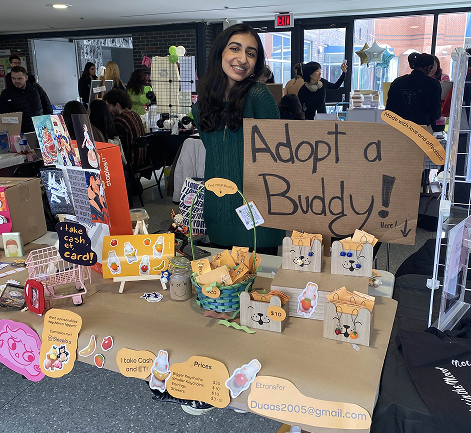
Me selling my goods at an art market!

Blocker

The Challenge

How might we simplify business operations for creatives to minimize time spent on non-creative tasks?

Goals

1.

Simplify business tasks for creatives using the Law of Prägnanz.

2.

Design an all-in-one tool tailored to solo creatives so they feel supported, not overlooked.

3.

Ensure smaller business's can thrive even without deep business understanding.

(00 Final Design)

Blocker

Solution

Introducing Tabbit

Tabbit is an all-in-one mobile tool that simplifies inventory, expenses, and taxes into bite-sized tasks for solo creatives.

Feature 1: Easy to to track expenses.

The Problem: 4/5 users lose track of physical receipts.
The Solution: OCR-powered camera scanning that auto-fills tax categories.
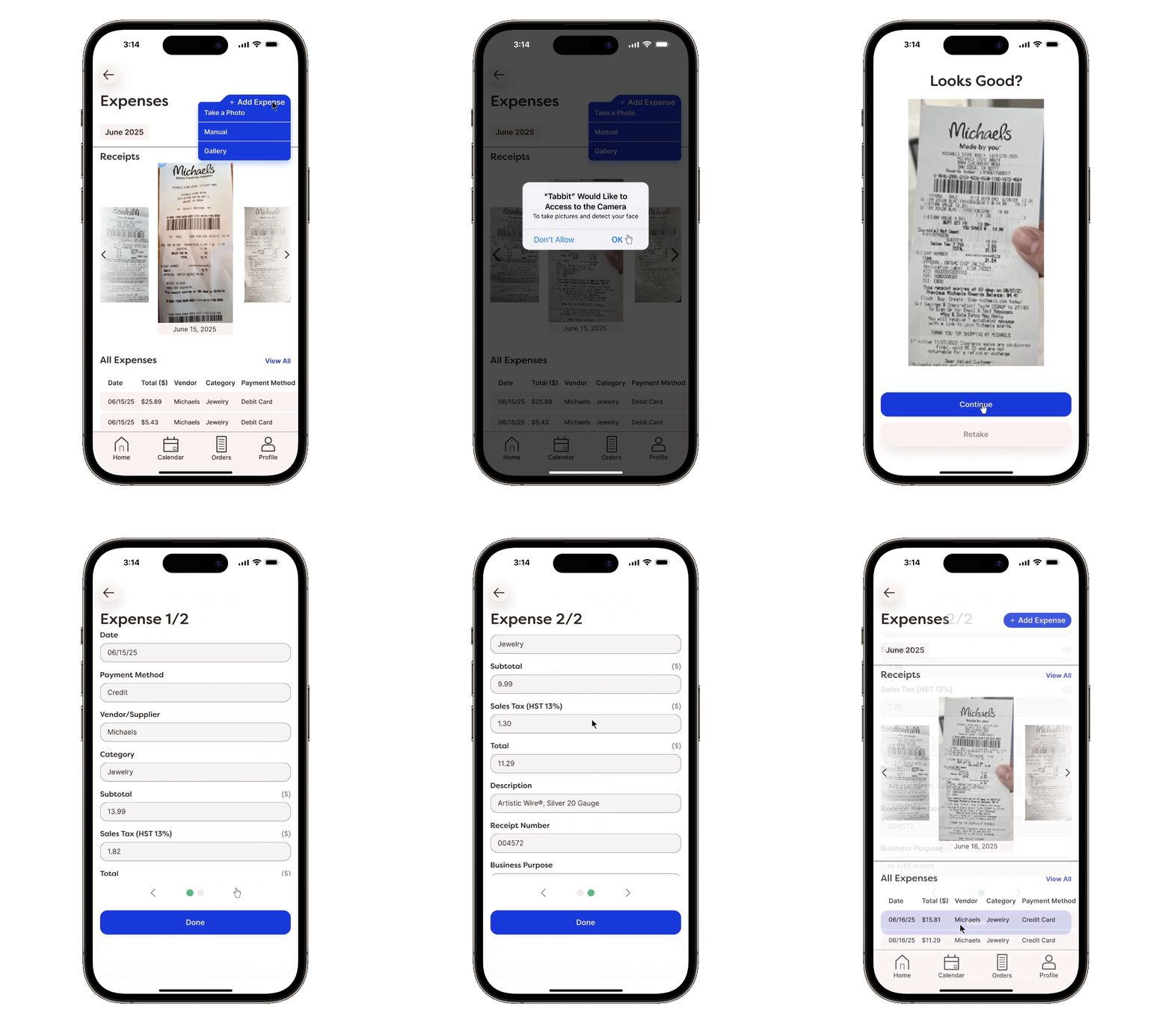
Adding Expense

Feature 2: Central Control for Authorized Apps.

The Problem: Users felt "spread out" across too many disconnected apps.
The Solution: An centralized hub that brings Etsy, Shopify, and Calendar feeds into one view.
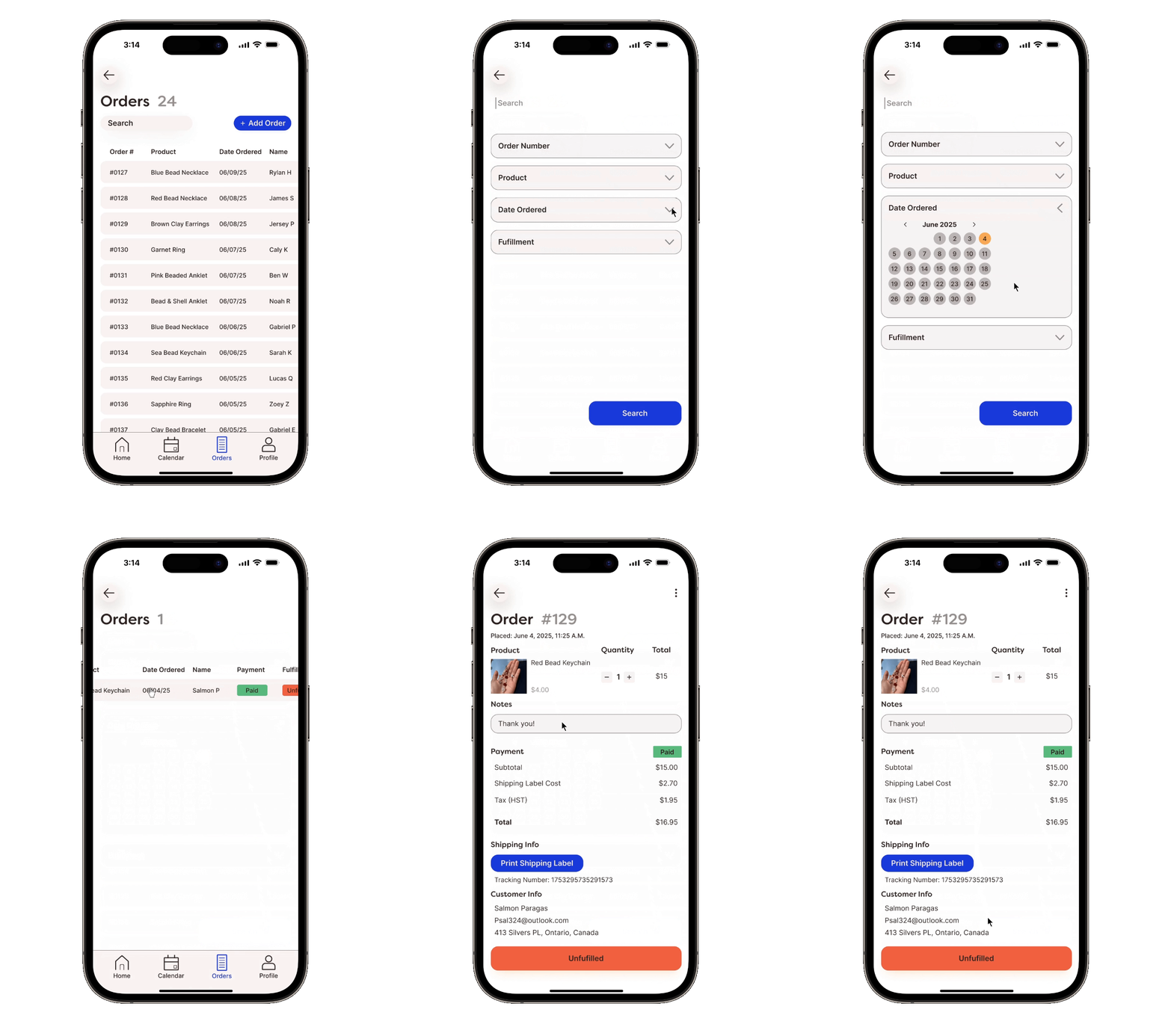
authorizing apps

Feature 3: Checking Supply Stock

The Problem: Solo creatives often forget to reorder supplies until it's too late.
The Solution: Visual indicators turn red when stock hits a critical threshold.
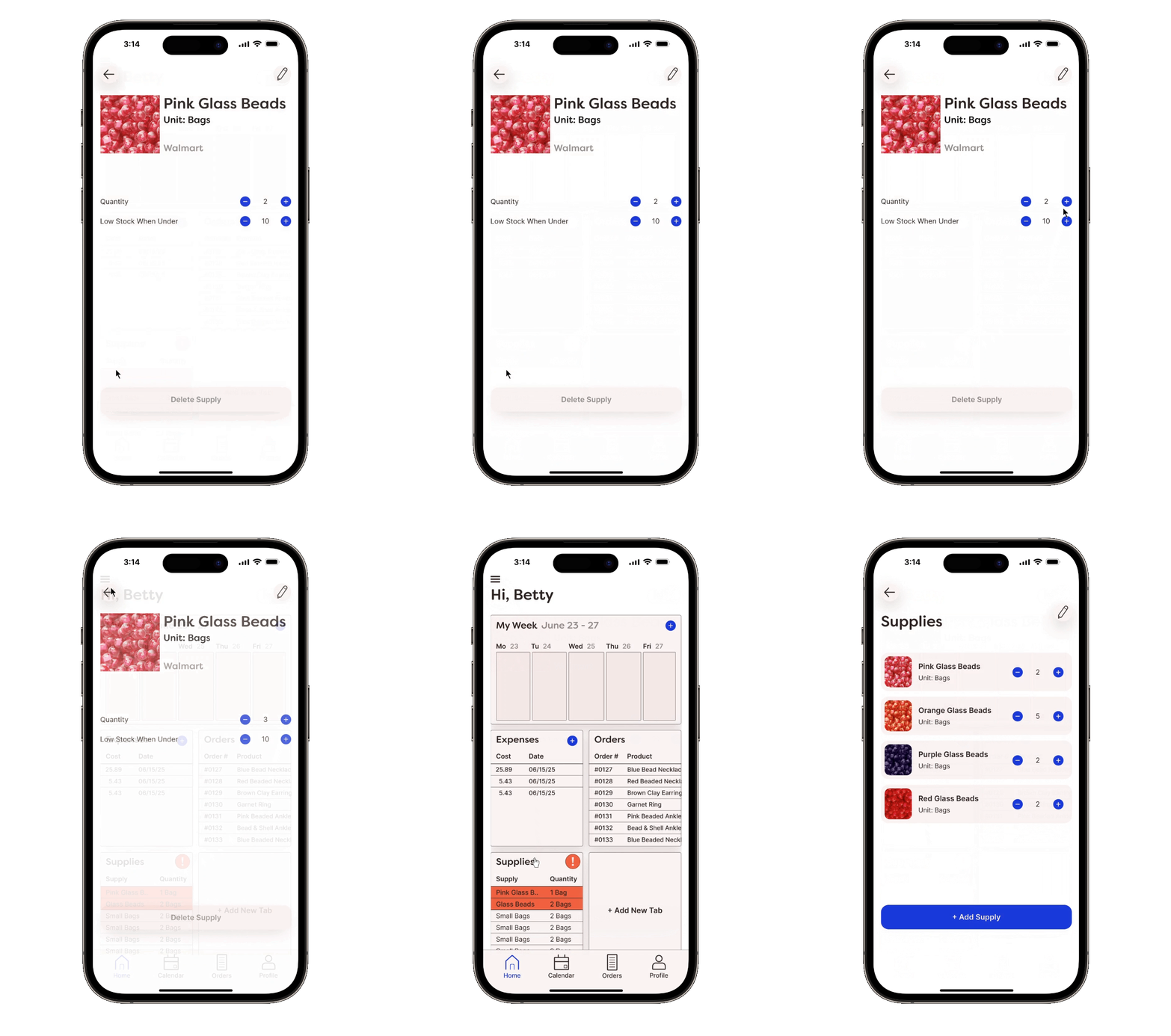
Checking Supply

(01 Research)

User Research

I conducted 5 structured interviews with small business owners (university students and young creatives) to identify operational bottlenecks.

Key Findings

  • 5/5 participants struggled to manage finances and taxes correctly.

  • 5/5 operated their business entirely alone (Solo-preneurs).

  • 4/5 relied on physical storage (e.g., shoeboxes) for receipts rather than digital tools.

Blocker

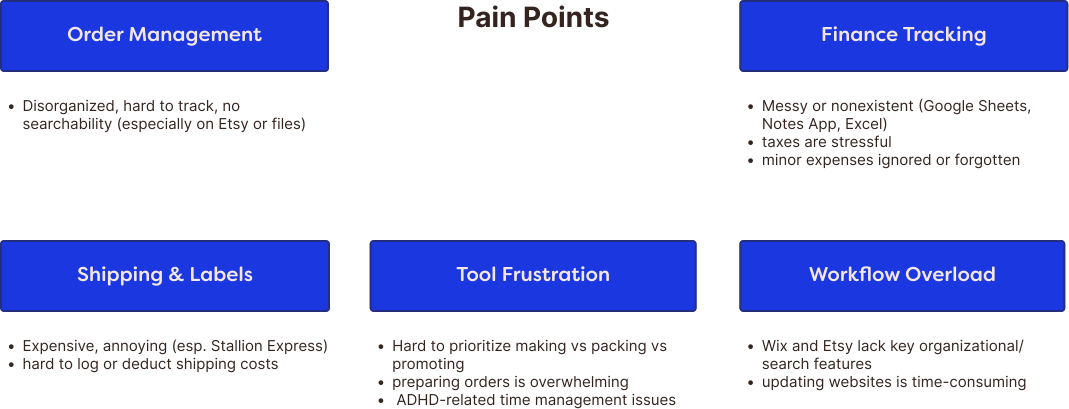
Core Insights

"I started this business to be an artist, but I feel like I spend all my time stressed about receipts and tax laws."

pain points

Scope & Prioritization

With only a 7 week deadline , I could not design every feature. I used a prioritization matrix to separate "Nice-to-Haves" from "Must-Haves."

The Cut

My research showed social media burnout was real, but I deprioritized the "Social Scheduler" to focus on the immediate legal pain points (Taxes/Inventory).

The Focus

I centered the MVP (Minimum Viable Product) on the "Shoebox Problem" because all of the users struggled with finances.

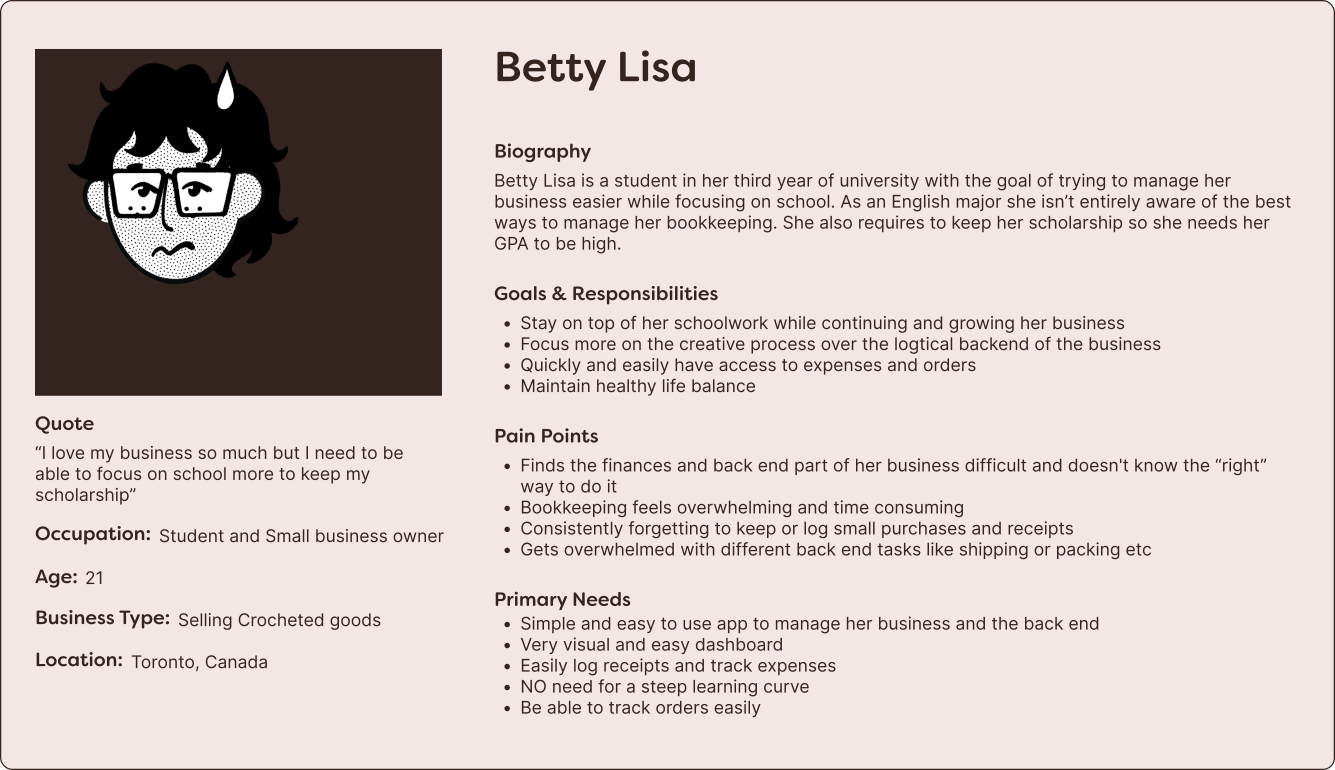
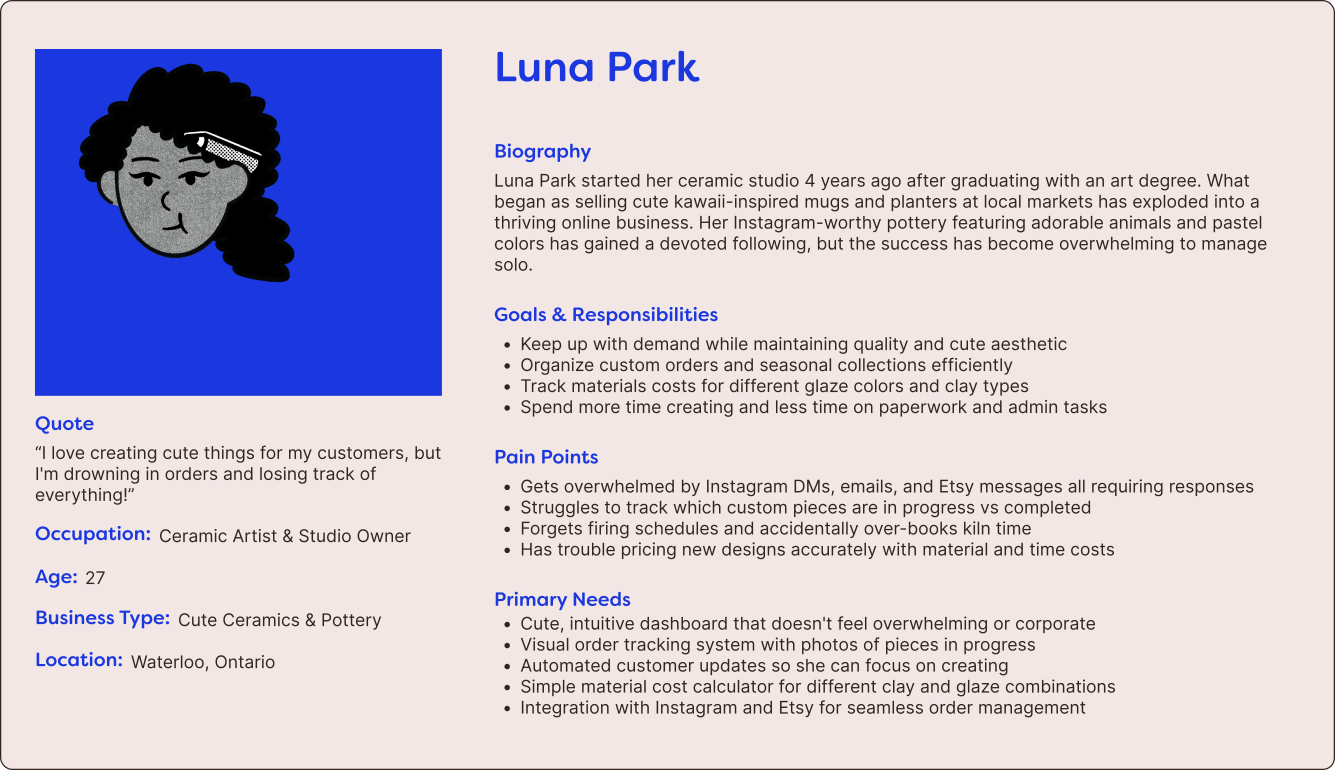
User Personas

Meet the Entrepreneurs.

Who are we building for? I narrowed down the target audience to two profiles that represent the core struggles of small business ownership.

(02 Process)

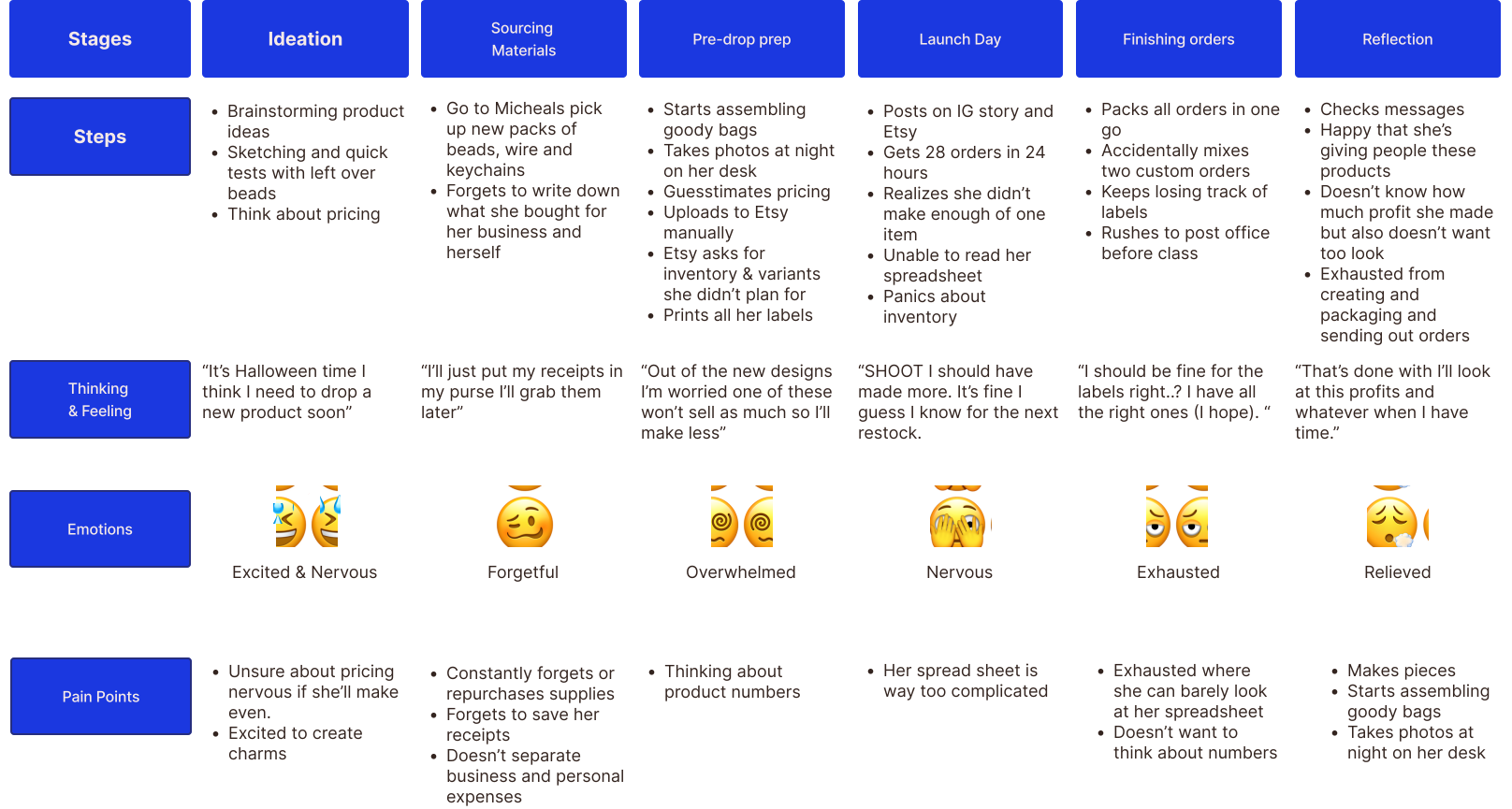
What's Betty's business life like?

With the research gathered, we looked at what Betty's user journey through a product launch would be like, going through all the stresses she normally does.

Betty's Journey Map

Product Thinking

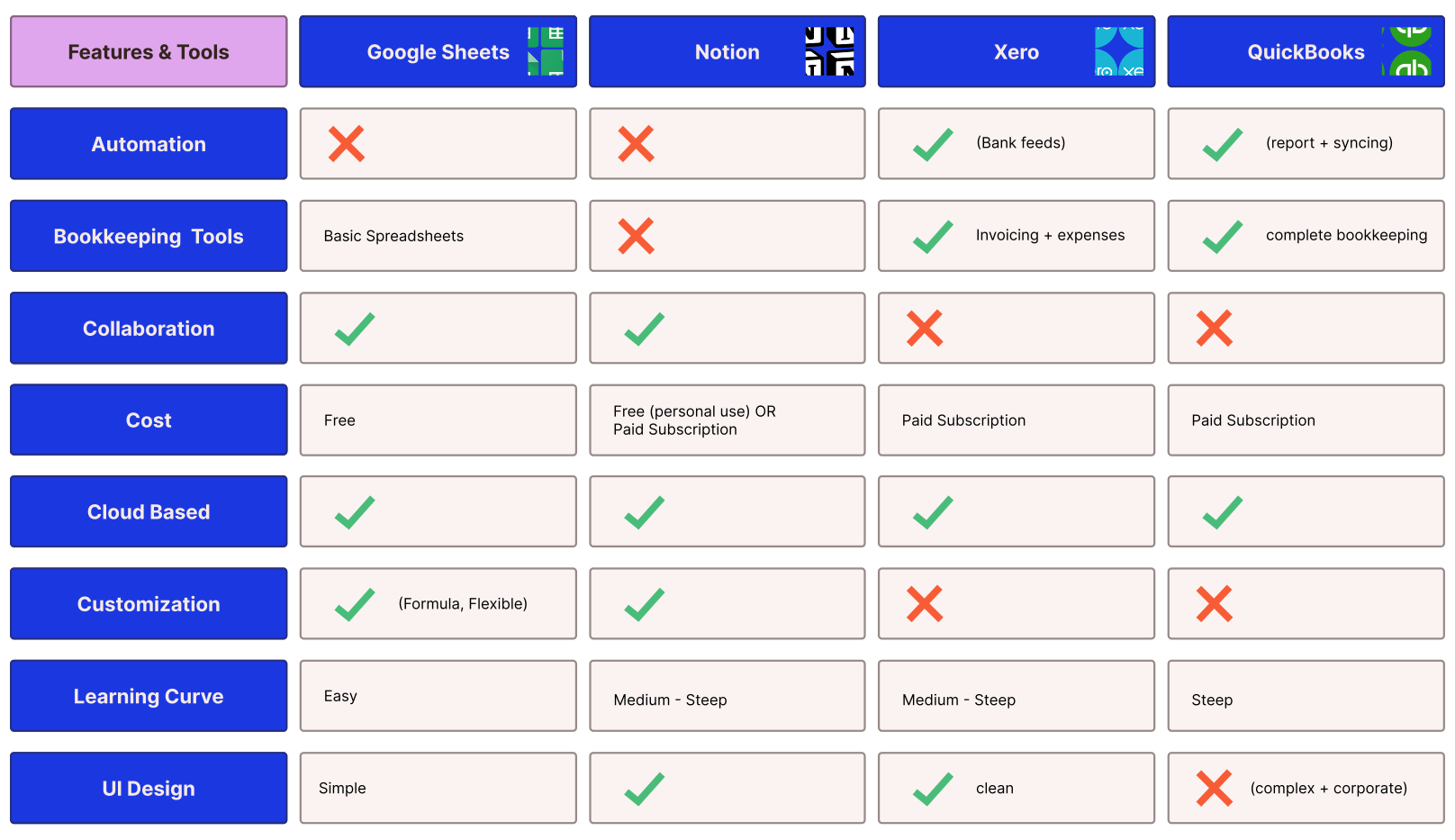
I researched the most popular tools small business owners are using.

Competitors were either too complicated or too basic. I focused on finding the sweet spot: a strong system with little to no learning curve flat enough for a busy artist.

Competitive Analysis

(03 Design Exploration)

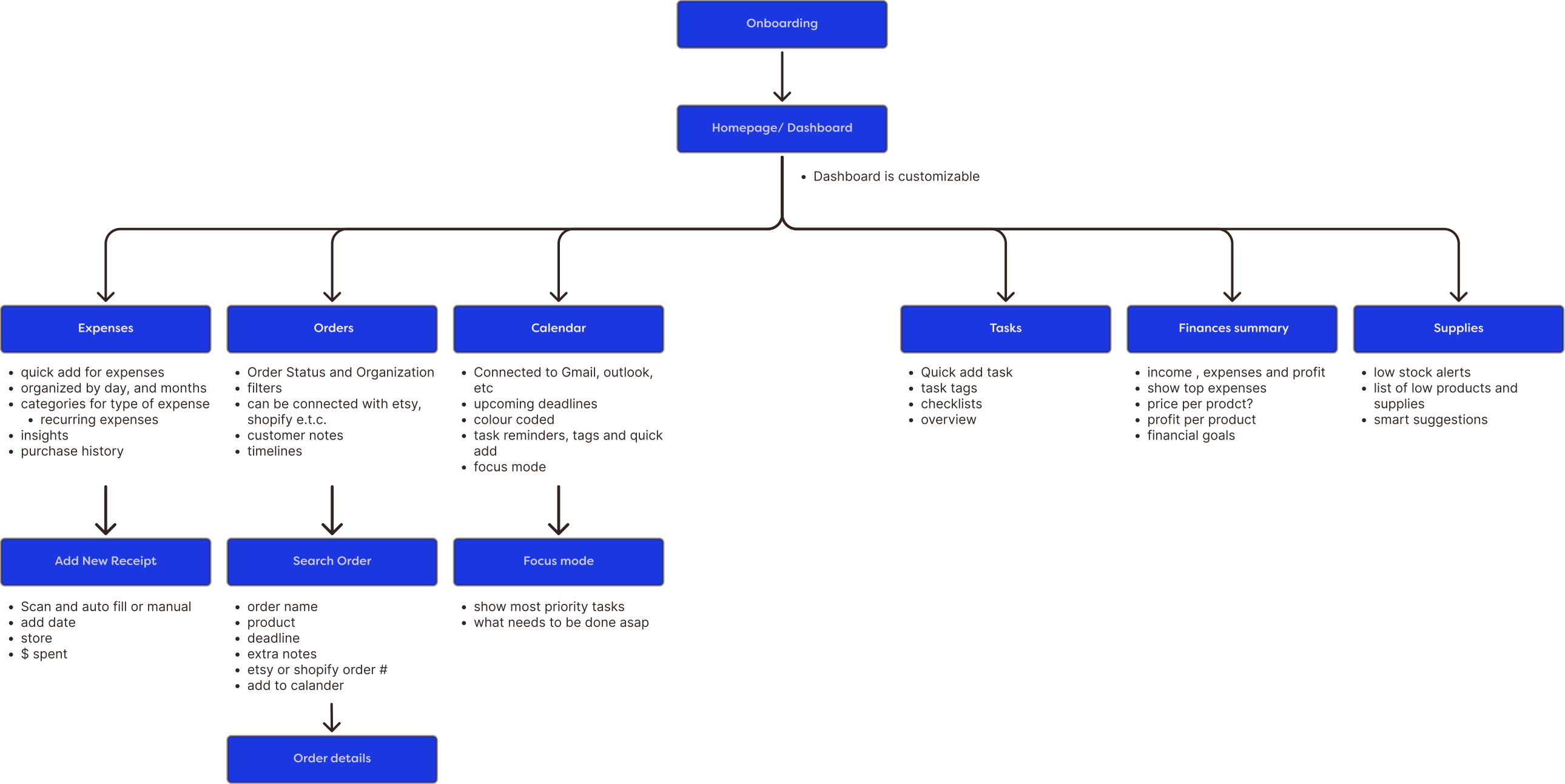
Information Architecture

Structuring the app for optimal user experience.

Finding what features were crucial was the most important and difficult part because of the number of factors that go into a business.

I needed to pick what features were key to the project because of the time constraints of needing to finish this project before school.

Information Architecture

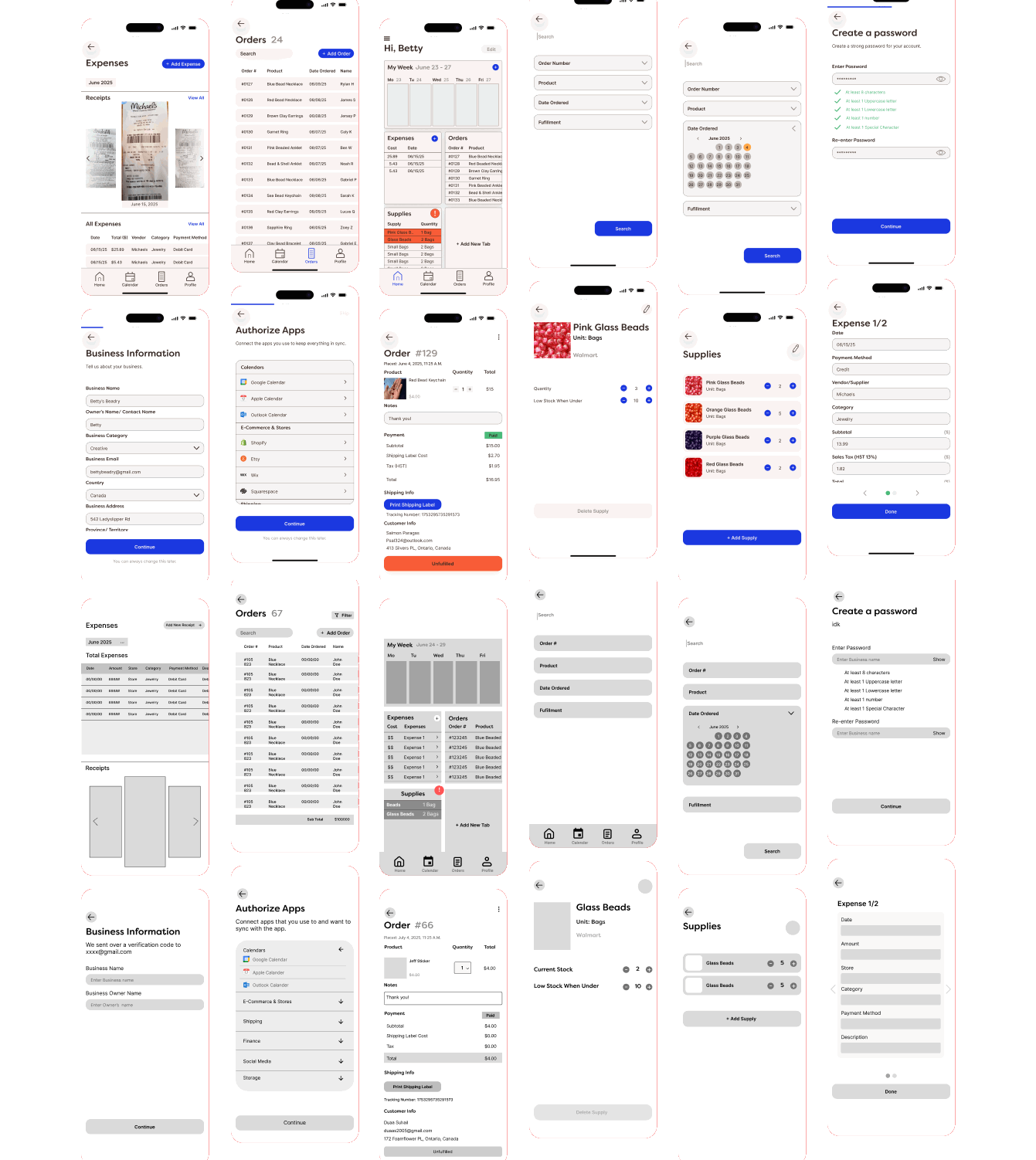
Wireframes

Sketching out the app's layout and functionality.

I developed low-fidelity wireframes to map out the app's interface and user interactions. This allowed for quick iterations and feedback, ensuring that the design met user needs before moving on to high-fidelity designs.

Wireframes

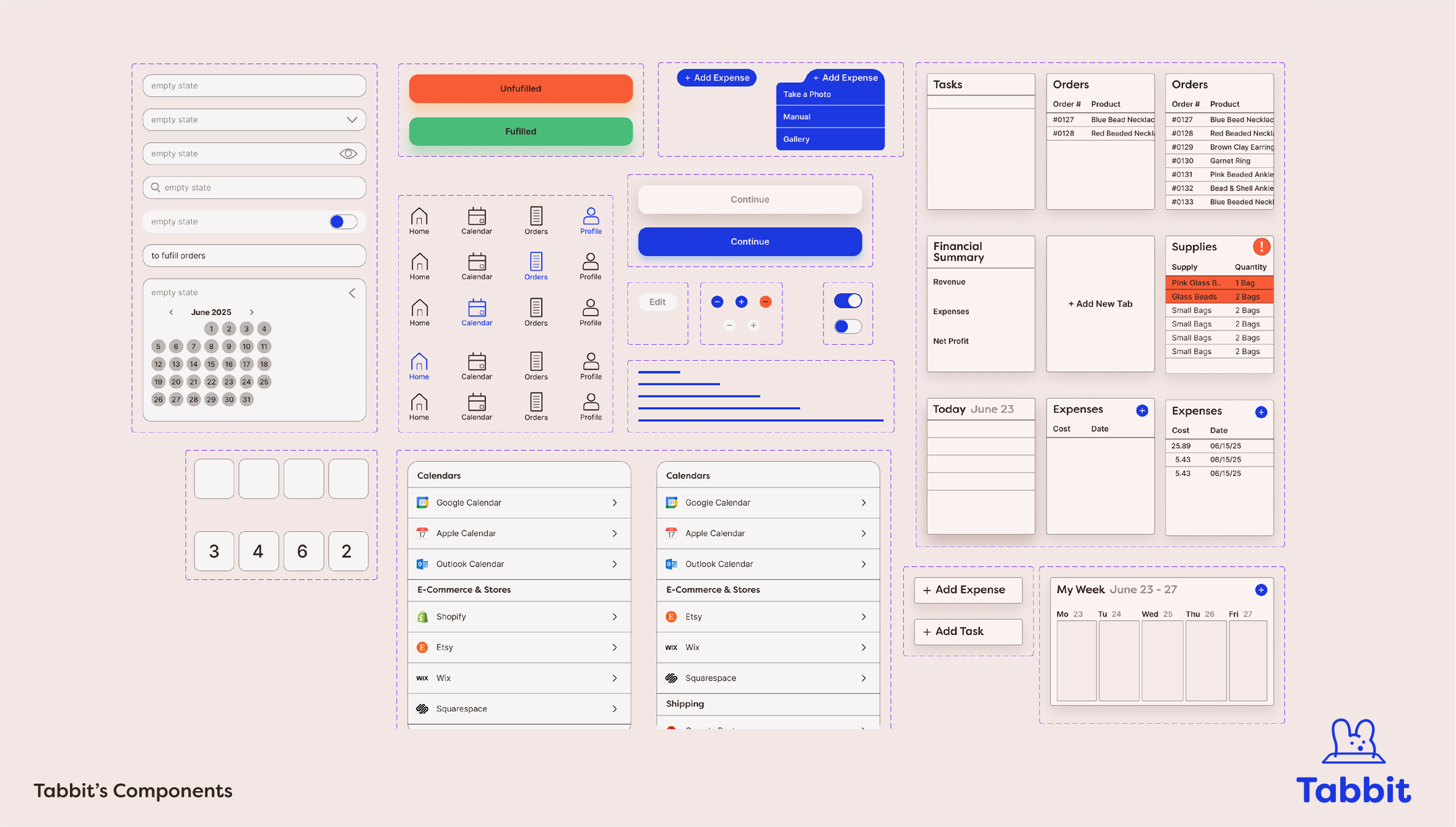
Design System

Friendly, welcoming and inclusive.

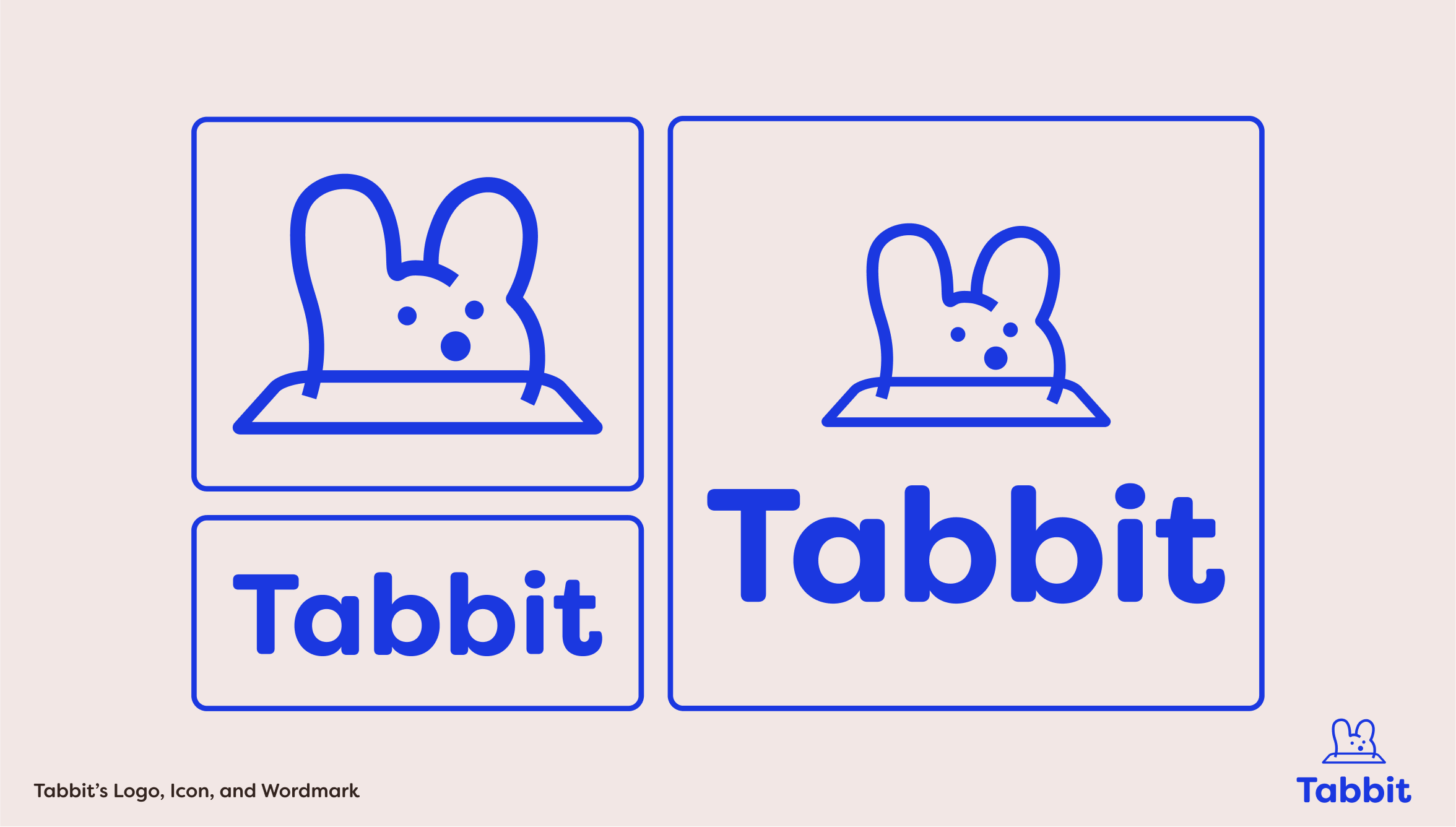
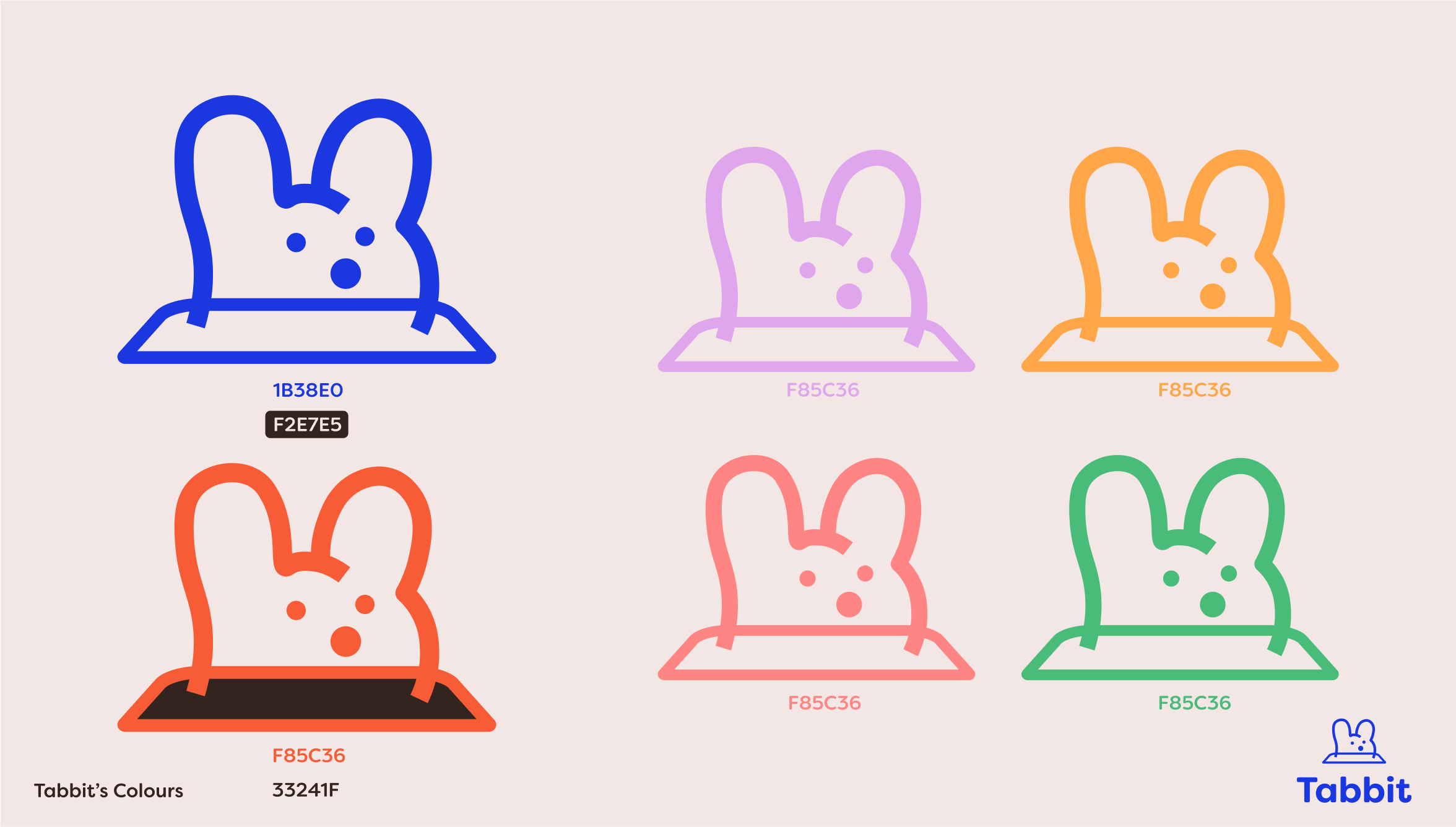
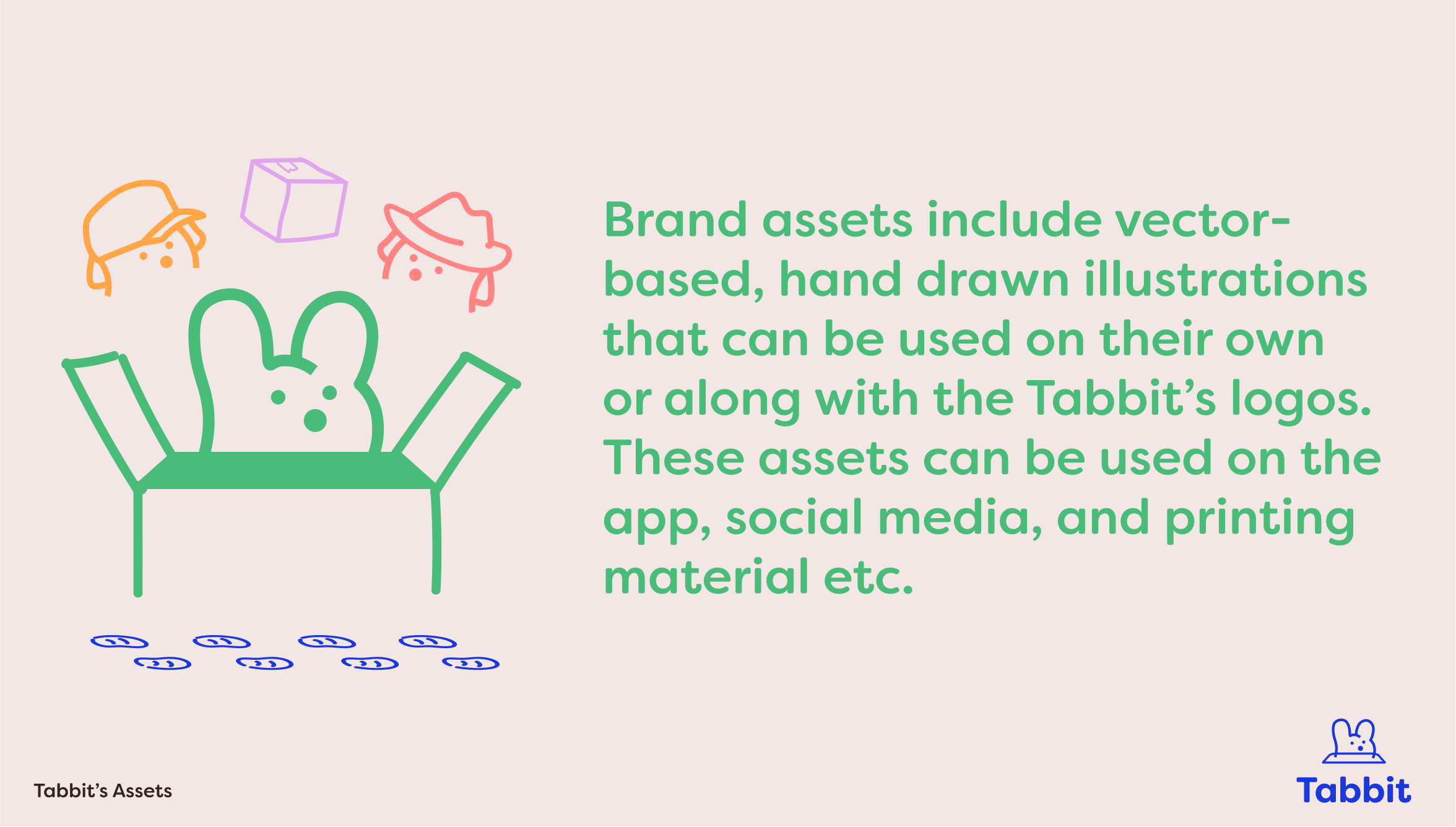
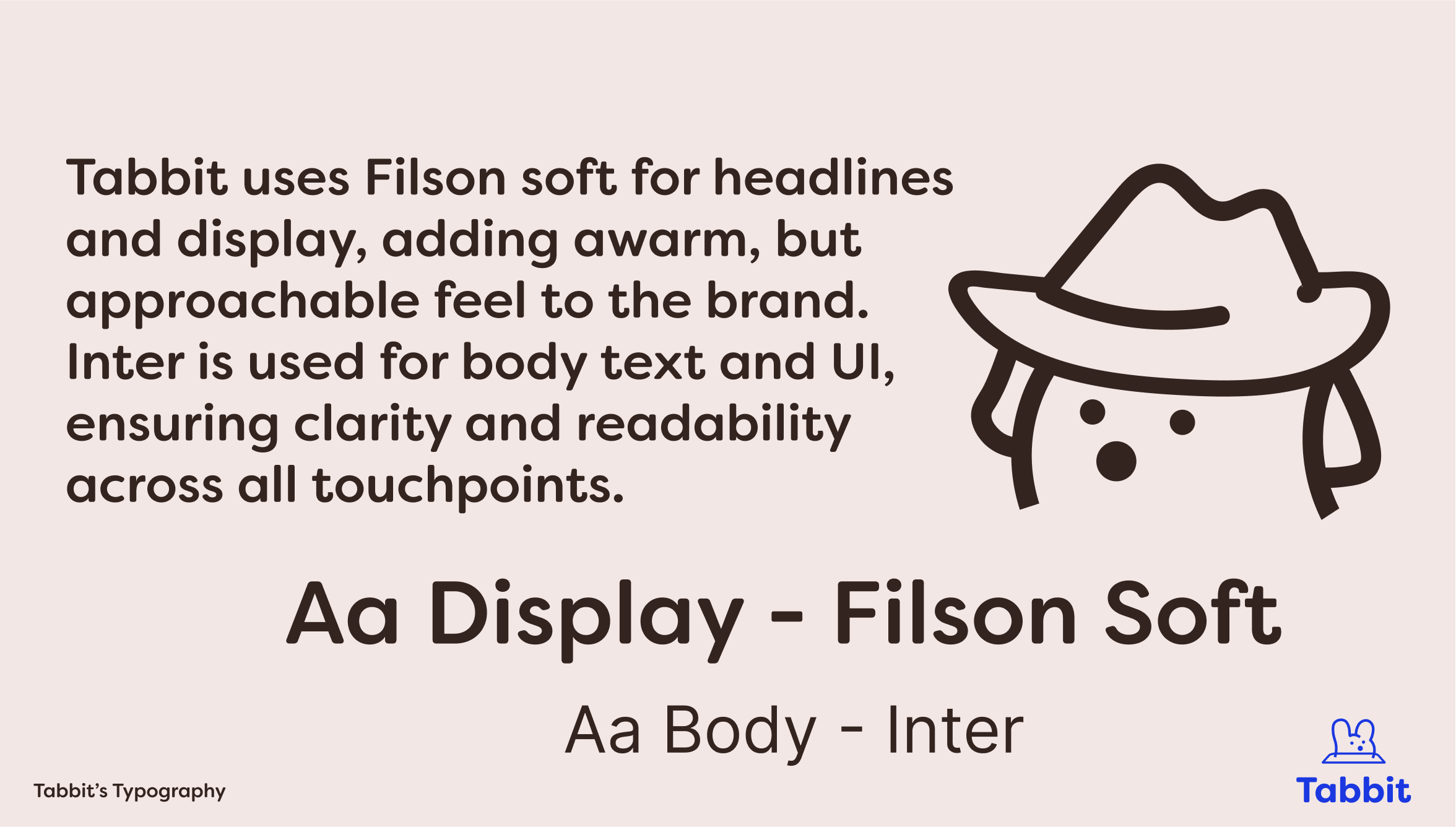
The main goal of the design system was to create a welcoming brand identity. Accessible to all.

For this project I collaborated with a brand designer. Check out his portfolio here!

(04 Conclusion)

Reflection

The biggest challenge was translating intimidating tax laws into a "friendly" UI. By collaborating with a brand designer, we established a design system that feels inclusive rather than corporate.

Next Steps

AI Assistant:

Explore generative AI to automate social media scheduling.

Desktop Ecosystem:

Expand to a web app to support deeper "admin work" sessions.

Wanna see more?

Check out Graft!